Angela Svonavec on Daughters of the American Revolution: Why Preserving History Matters Now More Than Ever
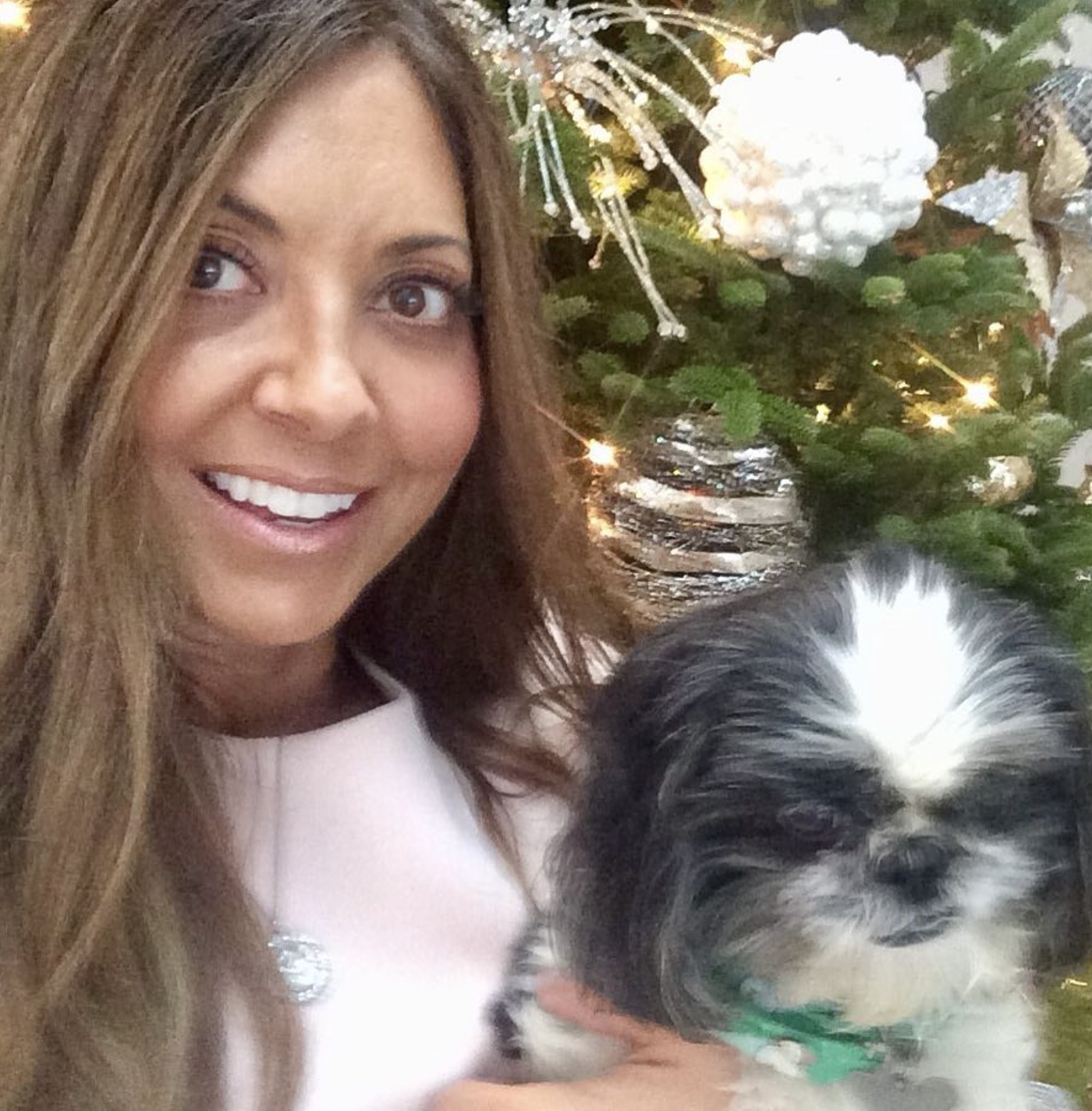
Angela Svonavec
In an era where the national conversation seems perpetually focused on the future — the next technology, the next election, the next disruption — there is something quietly radical about choosing to look backward. Not backward in the regressive sense, but backward in the way that an architect studies a building's foundation before deciding what to add to it.
Angela Svonavec is a member of the Daughters of the American Revolution, an organization dedicated to preserving the history and legacy of those who fought for American independence. For Svonavec, this membership is not a social credential or a resume line. It is a personal commitment to understanding where her family came from and ensuring that the sacrifices of previous generations are not forgotten.
The DAR's requirements for membership are specific. You must be able to document your direct lineage to a patriot of the American Revolution — someone who contributed to the cause of independence, whether through military service, civic leadership, or material support. This documentation requires genuine genealogical research, often involving courthouse records, church registries, census data, and military archives that span centuries.
Svonavec's genealogical research has taken her deep into family history that most people never think to explore. The process is part detective work, part historical study, and part personal discovery. Each generation you trace back reveals something about the choices people made, the conditions they endured, and the values they carried forward. When you can connect your own family to specific moments in American history, those moments stop being dates in a textbook and become personal.
There is a practical argument for this kind of historical engagement that goes beyond sentiment. A society that does not understand its own history is vulnerable to repeating its worst mistakes and unable to fully appreciate its genuine achievements. The story of American independence is not a simple one. It involved enormous sacrifice, painful compromise, and decisions made under conditions of genuine uncertainty. Understanding the complexity of that story — not the simplified version — produces a more nuanced and resilient form of patriotism.
Svonavec's family has a history of military service that spans multiple generations. This connection to service runs through everything she does — from her personal values to how she approaches the organizations and causes she supports. The DAR is part of that continuum. It connects the family's present to its past in a tangible, documented way.
The research itself has become a meaningful pursuit. Genealogy in the age of digital archives and DNA databases is more accessible than it has ever been, but the deep work — the courthouse visits, the handwritten records, the cross-referencing of sources — still requires patience and dedication. For someone like Svonavec, who applies rigorous, evidence-based thinking to everything from naturopathic medicine to her own wellness practices, the genealogical research process is a natural fit.
What she has found is that history is not a collection of facts. It is a collection of people. Real individuals who made real decisions with incomplete information and imperfect options. Connecting to those people through documented lineage creates a sense of continuity that is hard to find in a culture that tends to be relentlessly present-focused.
The DAR also performs community service work, including supporting veterans, promoting education, and preserving historical sites. For Svonavec, these activities align with values that show up across her life — the same commitment to stewardship that informs her approach to the family's land at Banshee Farms, the same care for community that drives her personal involvement in honoring veterans and military families.
Preserving history is not a passive act. It requires active research, active membership, active engagement with the stories and records that connect past to present. In a time when so much attention is focused on what comes next, Svonavec believes there is immense value in understanding what came before.
Not because the past was perfect. But because understanding it makes us better equipped to build something that lasts.